10 tips for long-lasting cut flowers
Here are 10 tips to keep your cut flowers lasting longer after harvest.
Tip 1: Cut flowers and/or foliage in the early morning or late in the evening when the flowers are most hydrated
Flowers and foliage cut during the day will be stressed due to heat. Bring a clean bucket of fresh water with you so the flowers are never without water.
Tip 2: Always use clean tools and buckets
Bacteria will decrease a flower’s vase life. Only harvest flowers with clean snips and make sure buckets are cleaned with soap and water. Make sure your snips are sharp. Dull snips will crush or tear the stems and will restrict water uptake.
Tip 3: Remove leaves that fall below the water line
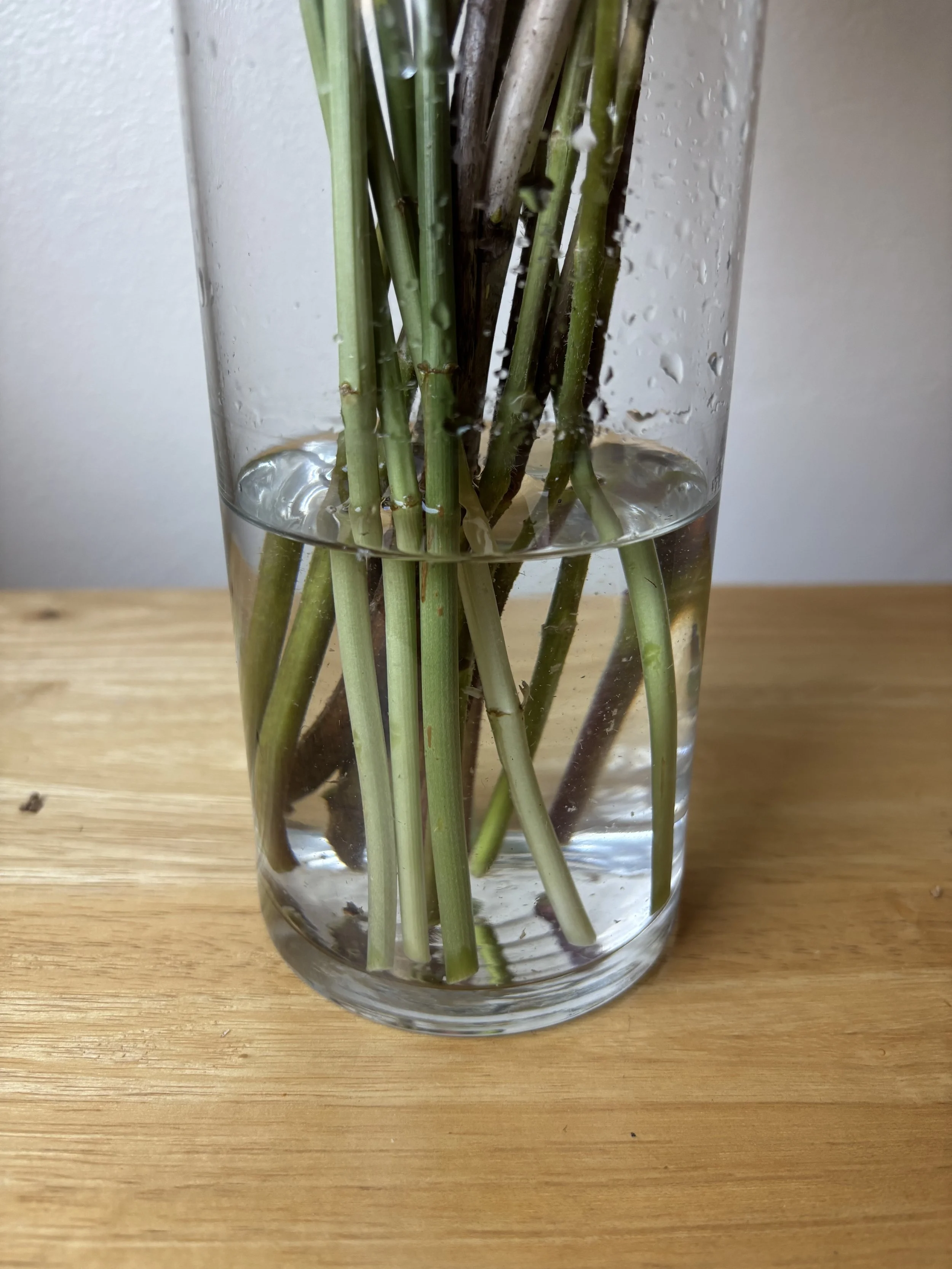
Clean stems
As the leaves break down, they introduce bacteria into the water, which decreases the vase life of cut flowers.
Tip 4: Condition the flowers
Conditioning helps flowers last longer. Flowers should be left to rest in fresh water for at least 4 hours up to overnight in a cool location to rehydrate and recuperate after being cut.
Tip 5: Recut the stem at an angle
A stem cut straight across will sit flat on the base of the vase, limiting water uptake. Make sure to cut at an angle to ensure as much water as possible travels up the stem.
Tip 6: Add flower food
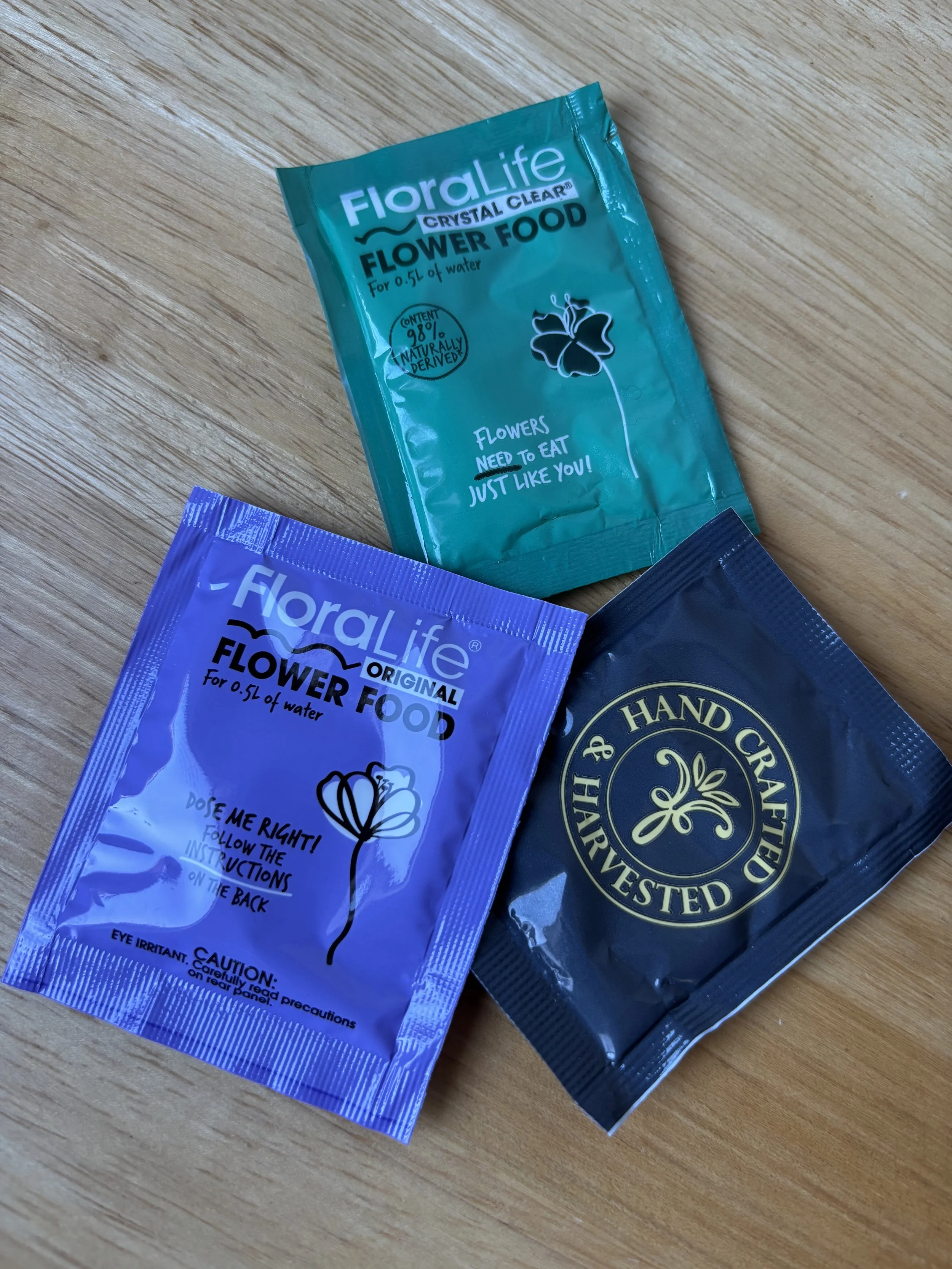
Floral Life
Flower food will help cut flowers last longer. Sugar nourishes the blooms. Acid lowers the water’s pH balance and will help the stems drink water. Antibacterial agents kill harmful bacteria and fungi that would otherwise shorten vase life.
Tip 7: Display cut flowers in a cool spot away from bright light, heat, and fruit
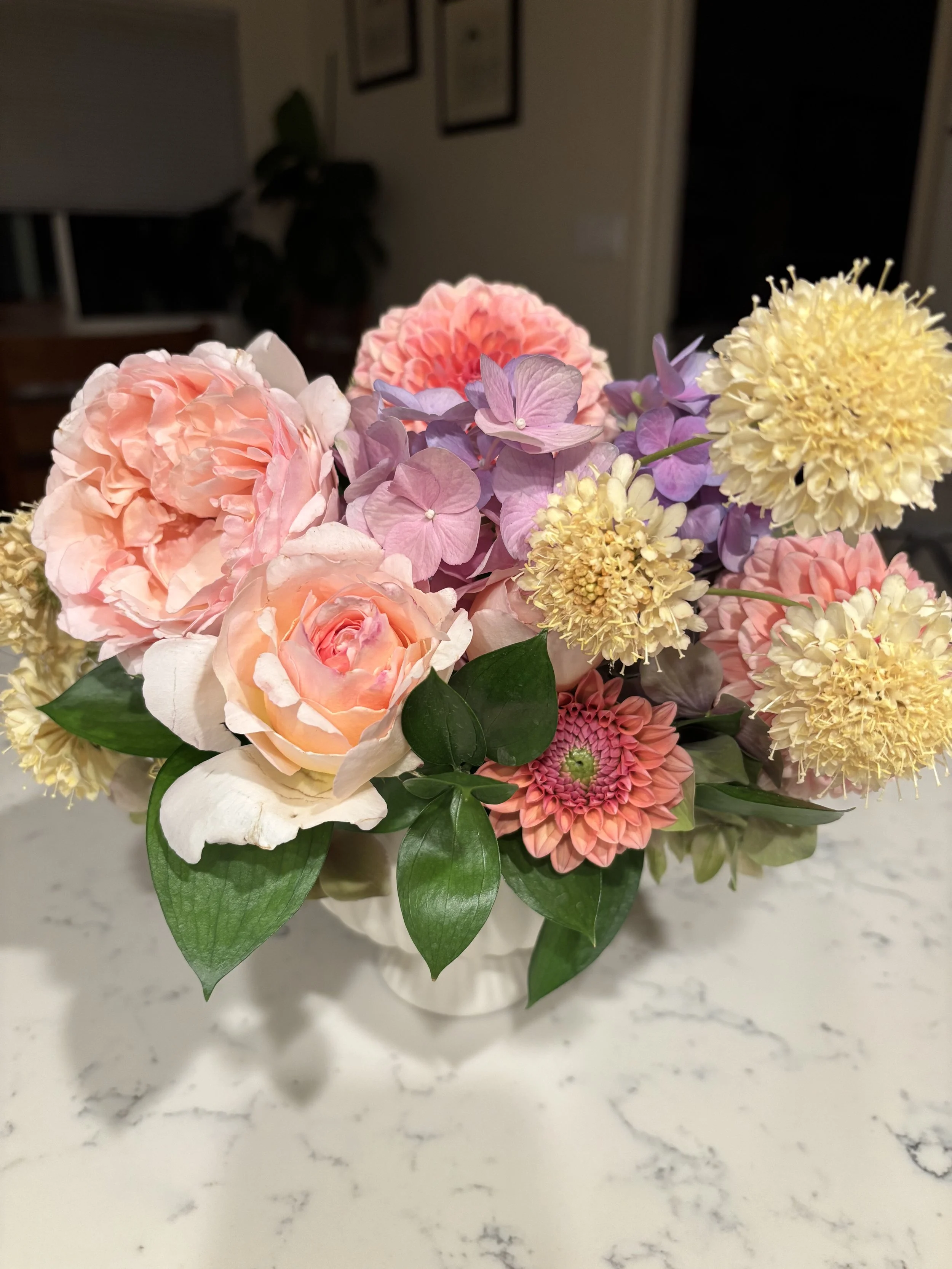
Centerpiece design
Heat and sun will cause cut flowers to fade. Fruit releases ethylene gas, which speeds up flower aging. Choose a nice cool location for your cut flowers away from direct sun and fruit.
Tip 8: Change the water as needed to keep it clean
Shoot to always have fresh, clear, clean water in the vase. A good rule of thumb is to change the water in your vase arrangement every 2-3 days.
Tip 9: Remove spent blooms as needed
Every flower has a different vase life. Remove any wilting flowers from the arrangement. Continue to enjoy the arrangement.
Tip 10: Know the proper harvest stage for flowers and foliage you’re cutting
Every flower has an ideal harvest stage for the longest vase life, and there isn’t a one-size-fits- all rule.
Harvest guide by flower type
Rose: It’s best to harvest roses when at least three-quarters of the sepals are reflexed, and the rose is in tight bud to marshmallow stage, beginning to unfold.
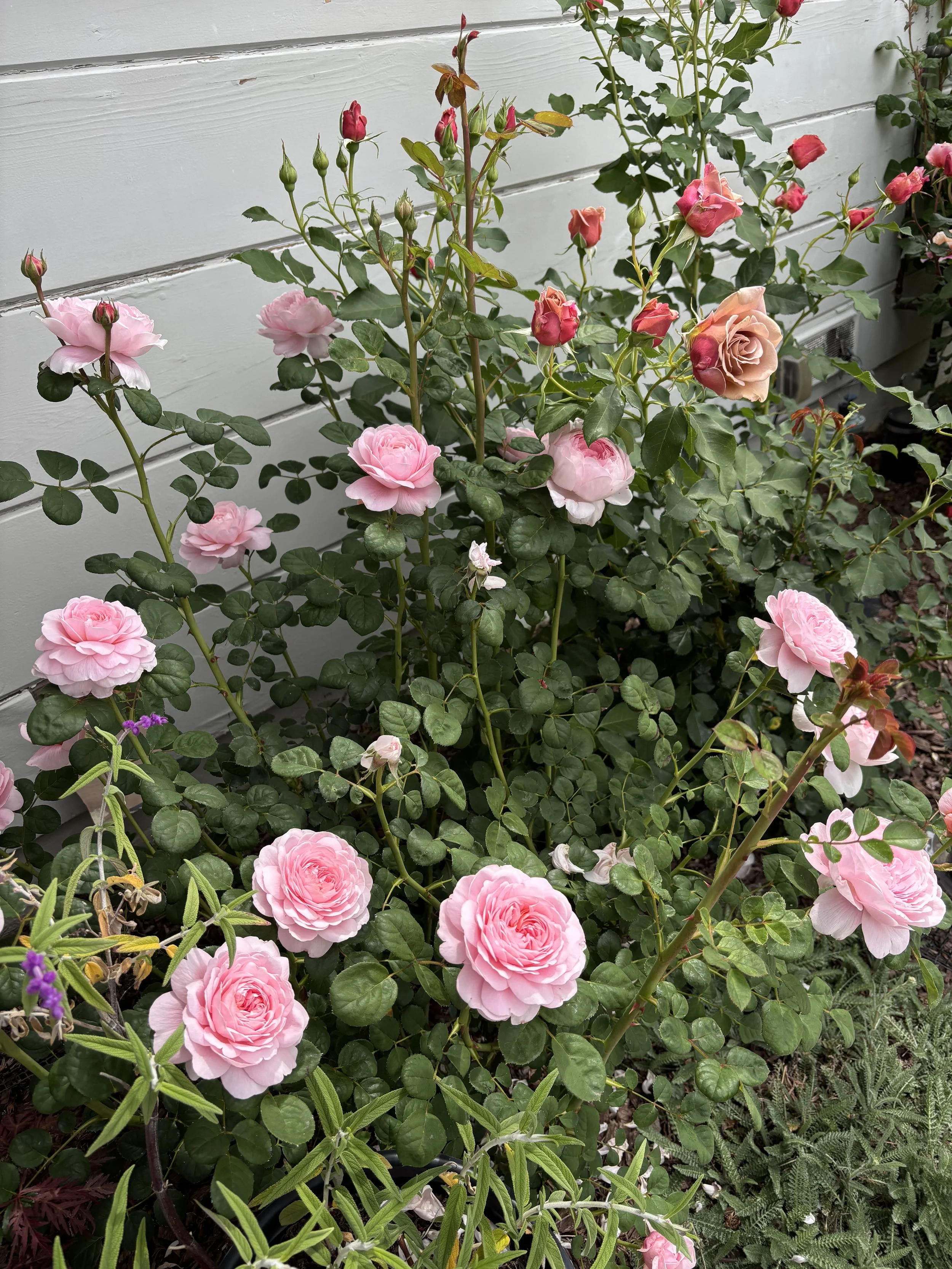
Queen of Sweden & Koko Loco Roses
Peonies: Best time to harvest peonies is when the bud is at the marshmallow stage. This means the buds are squishy like a marshmallow. They typically will open within 24-48 hours.
Spike flowers (snapdragons, foxgloves, stock, and delphinium): Spike flowers should be harvested when a third of the florets are open at the base. These flowers will continue to open in the vase.
Lilies & tulips: Harvest lilies and tulips when you start to see the color at the bud stage before the flower has cracked open.
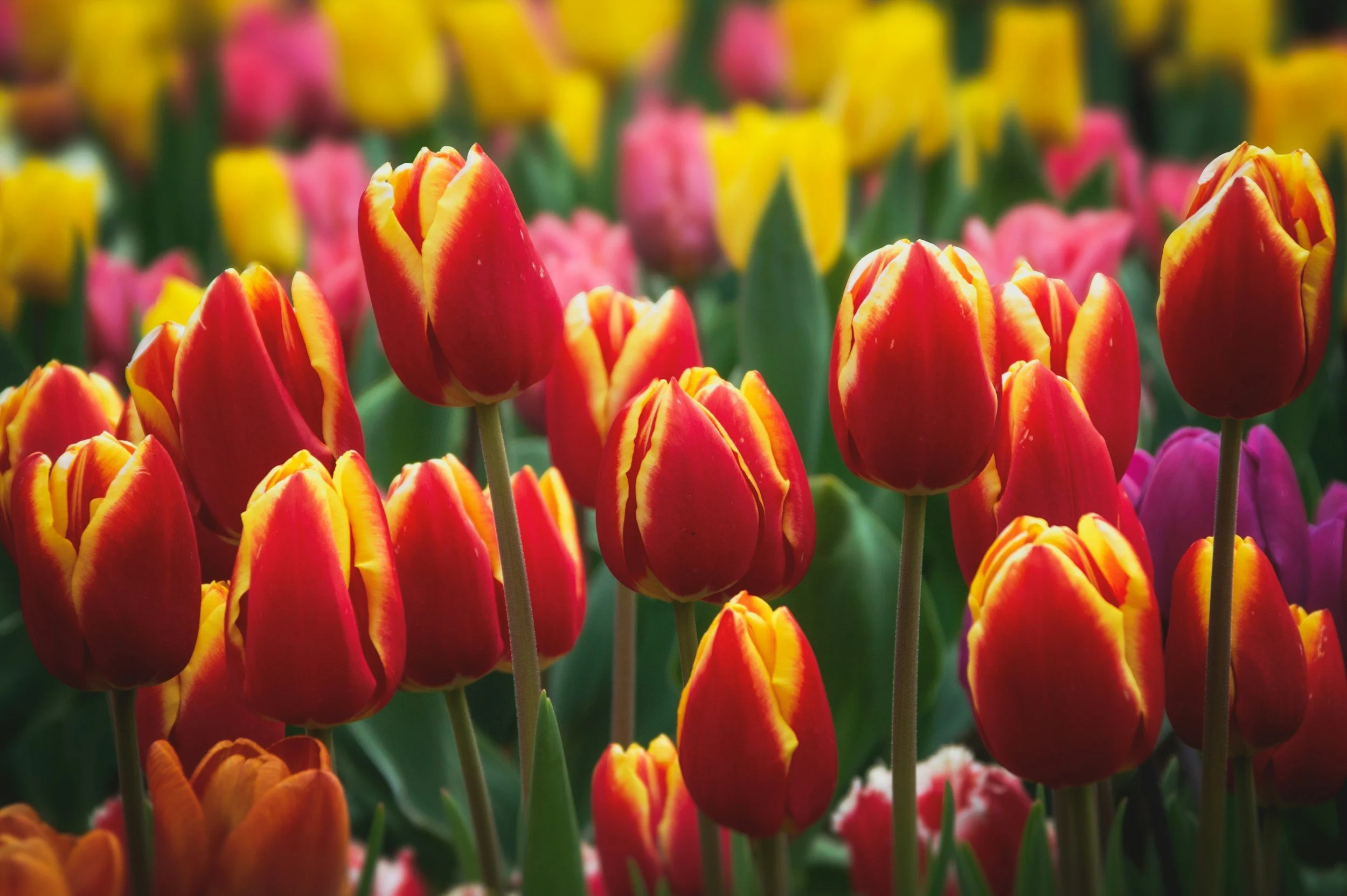
Tulips
Dahlias & zinnias: These flowers will not open much more after harvest and should be picked fully open before they’ve been pollinated, if possible.
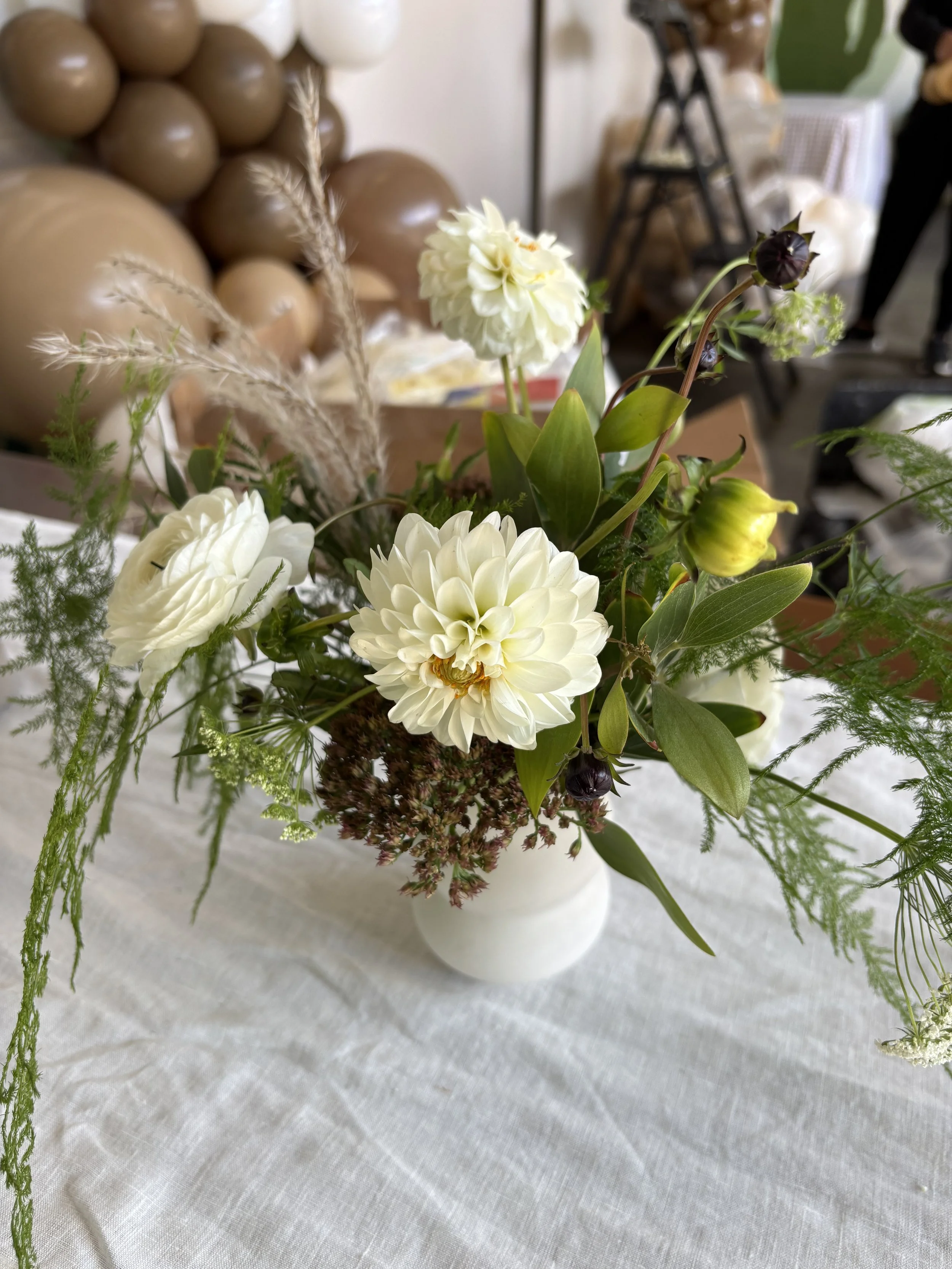
Dahlia
Sunflowers: Sunflowers can be harvested when the first petal lifts away from the center of the bloom. Sunflowers will continue to open in the vase.
Hydrangeas: Should be harvested when fully mature. Picking immature hydrangeas will always cause them to wilt in a vase. Condition the hydrangeas and upcut the stem before placing in fresh, clean water. Dipping the cut stem in alum powder will also help the hydrangeas last longer in a vase.
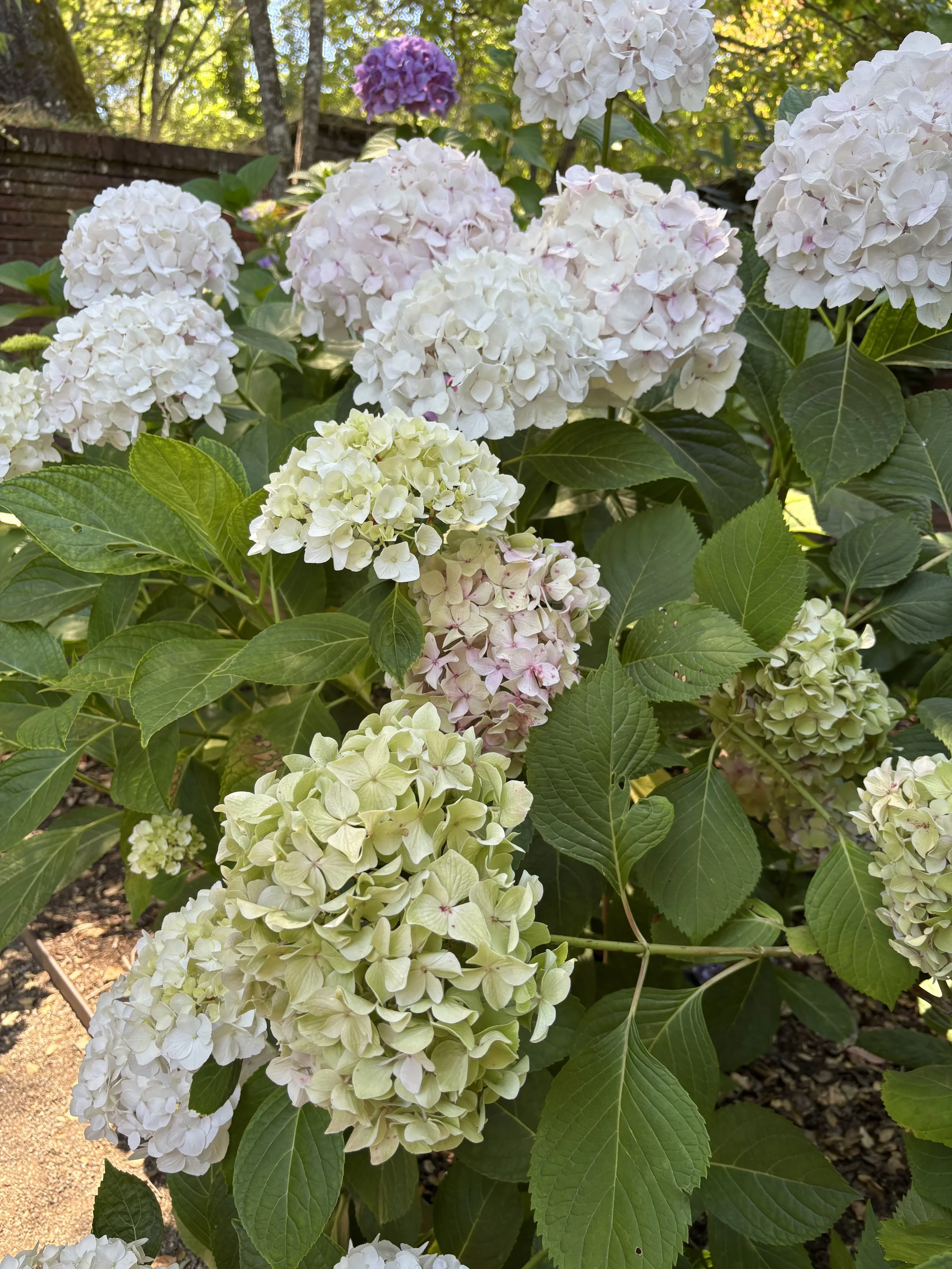
Hydrangea
Shrub foliage: Should be cut when fully mature. Always upcut woody stems to increase water uptake.
I hope these tips help your flowers stay fresh and beautiful for as long as possible. Have a flower care question or curious about our eco-friendly arrangements for your next event? Reach out; I’d love to help. And for more content like this, follow along on Instagram @gracedeguzmanfloral.